
What is Industrial Wastewater Reuse Technology?
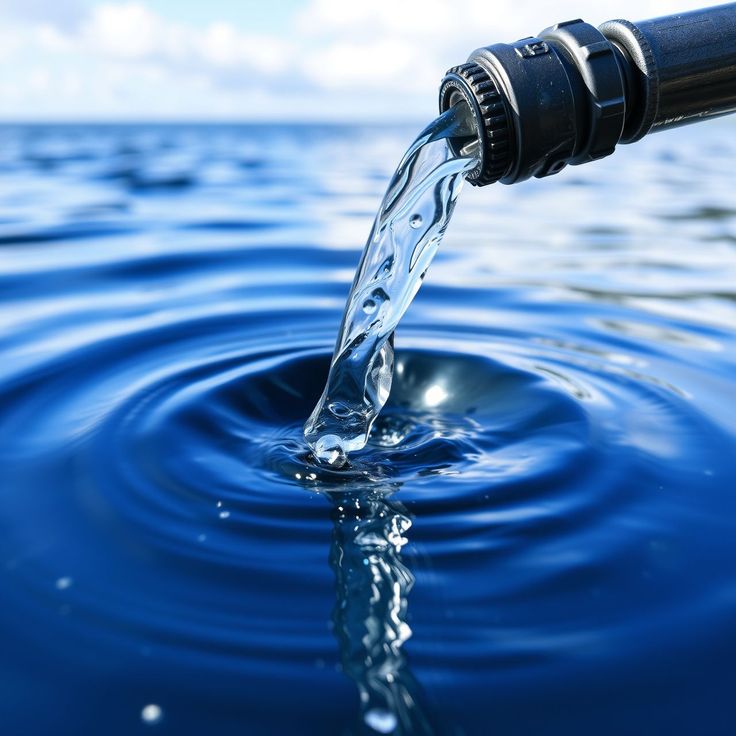
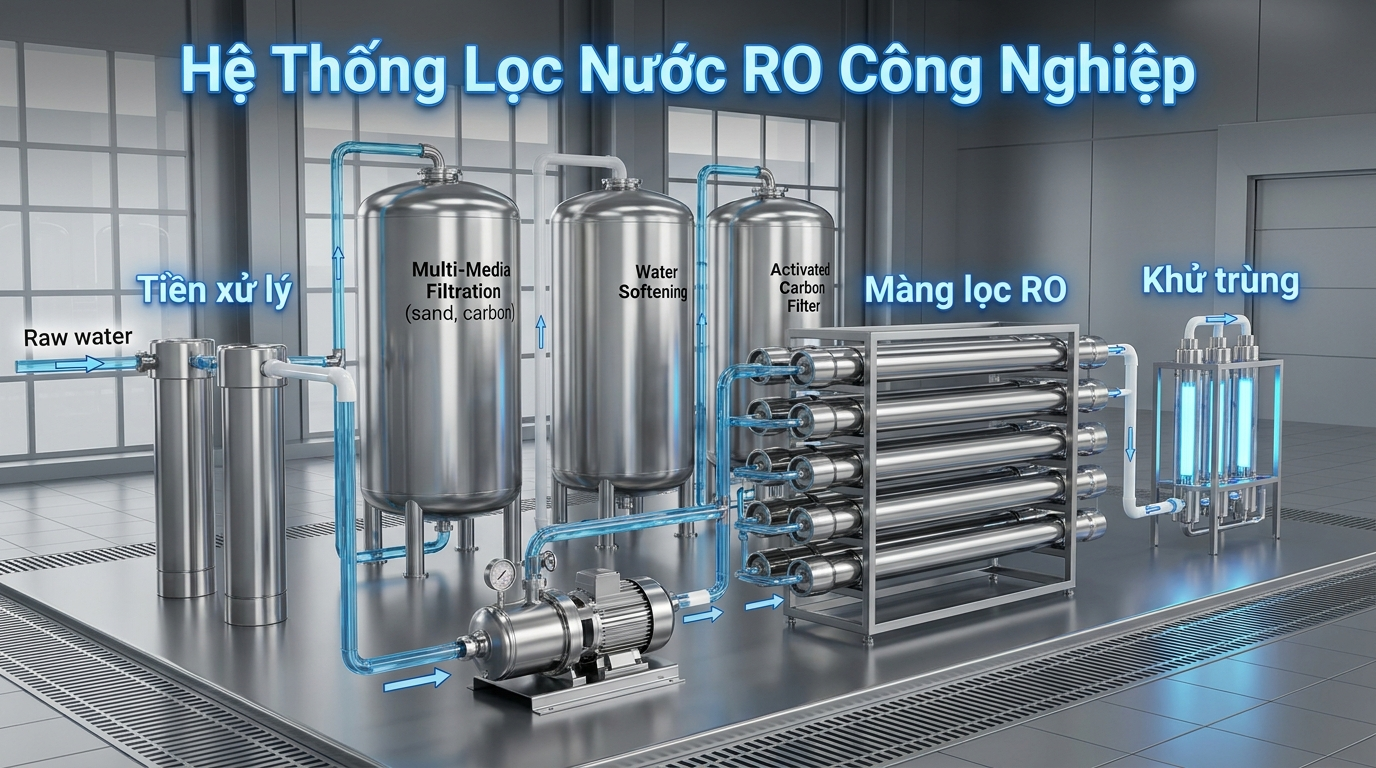
Industrial wastewater reuse technology refers to the advanced treatment of wastewater generated from industrial processes to produce water that can be reused for technical, utility, or production purposes.
Depending on the desired water quality, multiple treatment technologies can be integrated to remove organic contaminants, suspended solids, microorganisms, dissolved salts, and other pollutants.
Today, many companies in the food and beverage, textile, electronics, chemical, and industrial park sectors have implemented water reuse systems to reduce dependence on freshwater sources and optimize operational costs.
Common Industrial Wastewater Reuse Technologies
MBR Technology (Membrane Bioreactor)
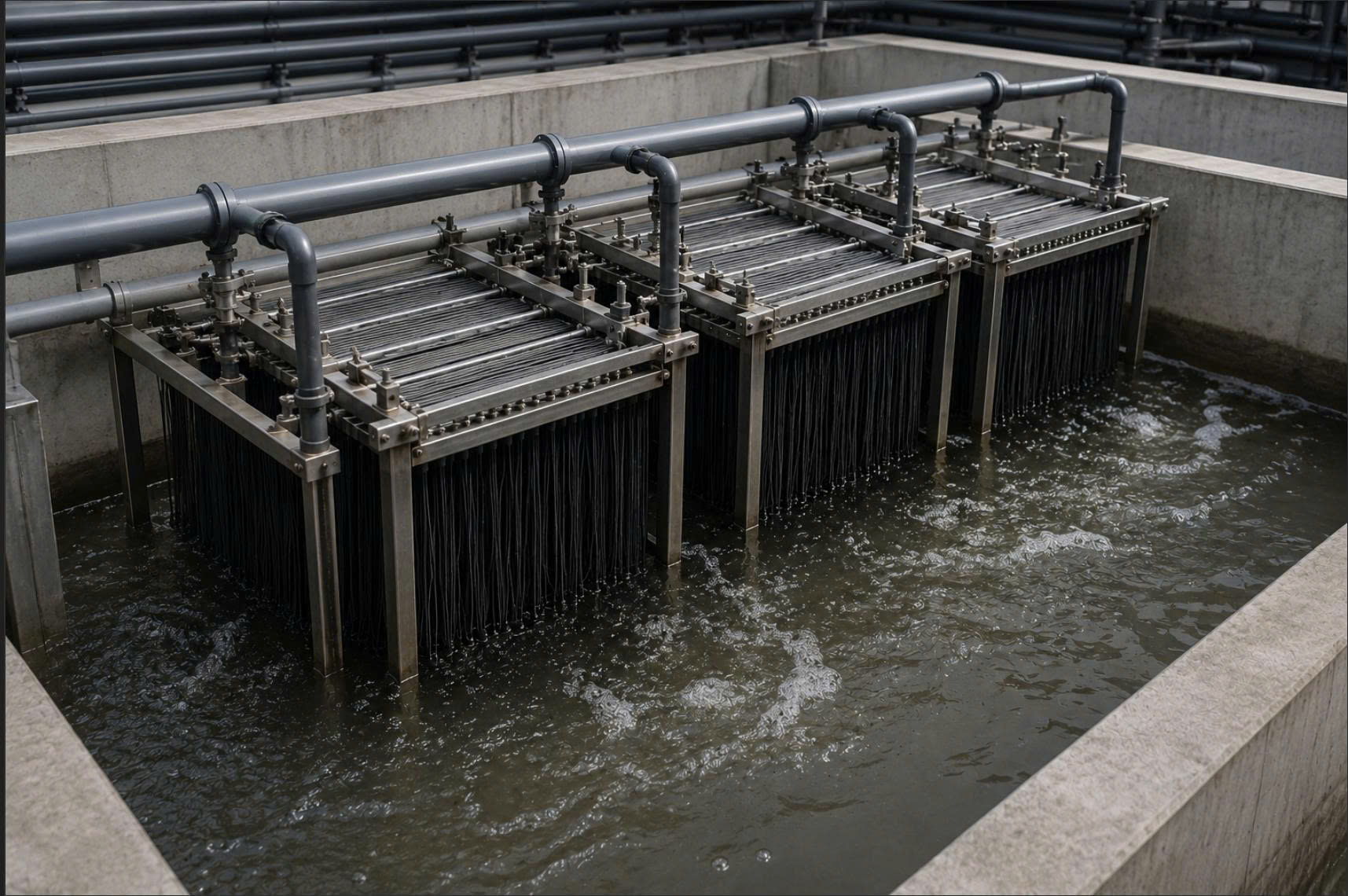
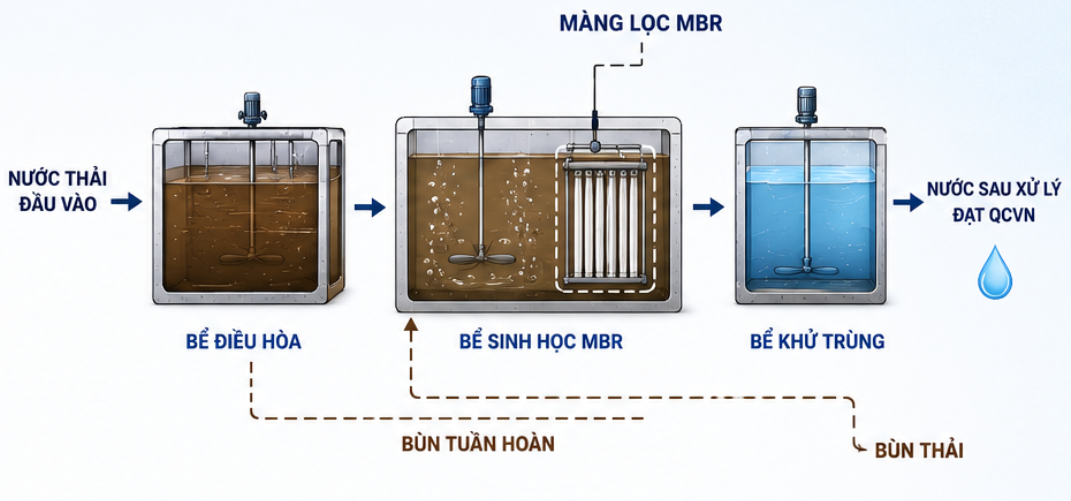
MBR is an advanced treatment technology that combines biological treatment using microorganisms with high-precision membrane filtration.
In an MBR system, organic matter, nitrogen, and phosphorus are biologically degraded before the water passes through the membrane. The MBR membrane effectively retains activated sludge, bacteria, and suspended solids, producing significantly higher-quality effluent compared to conventional biological treatment processes.
Key Benefits
· Removes 90–98% of COD, BOD, and TSS
· Consistent and stable effluent quality
· Reduced footprint requirements
· Lower sludge production
· Ideal as a feed source for UF or RO systems
Applications: Food and beverage factories, textile dyeing plants, industrial parks, and large-scale water reuse projects.
UF Technology (Ultrafiltration)
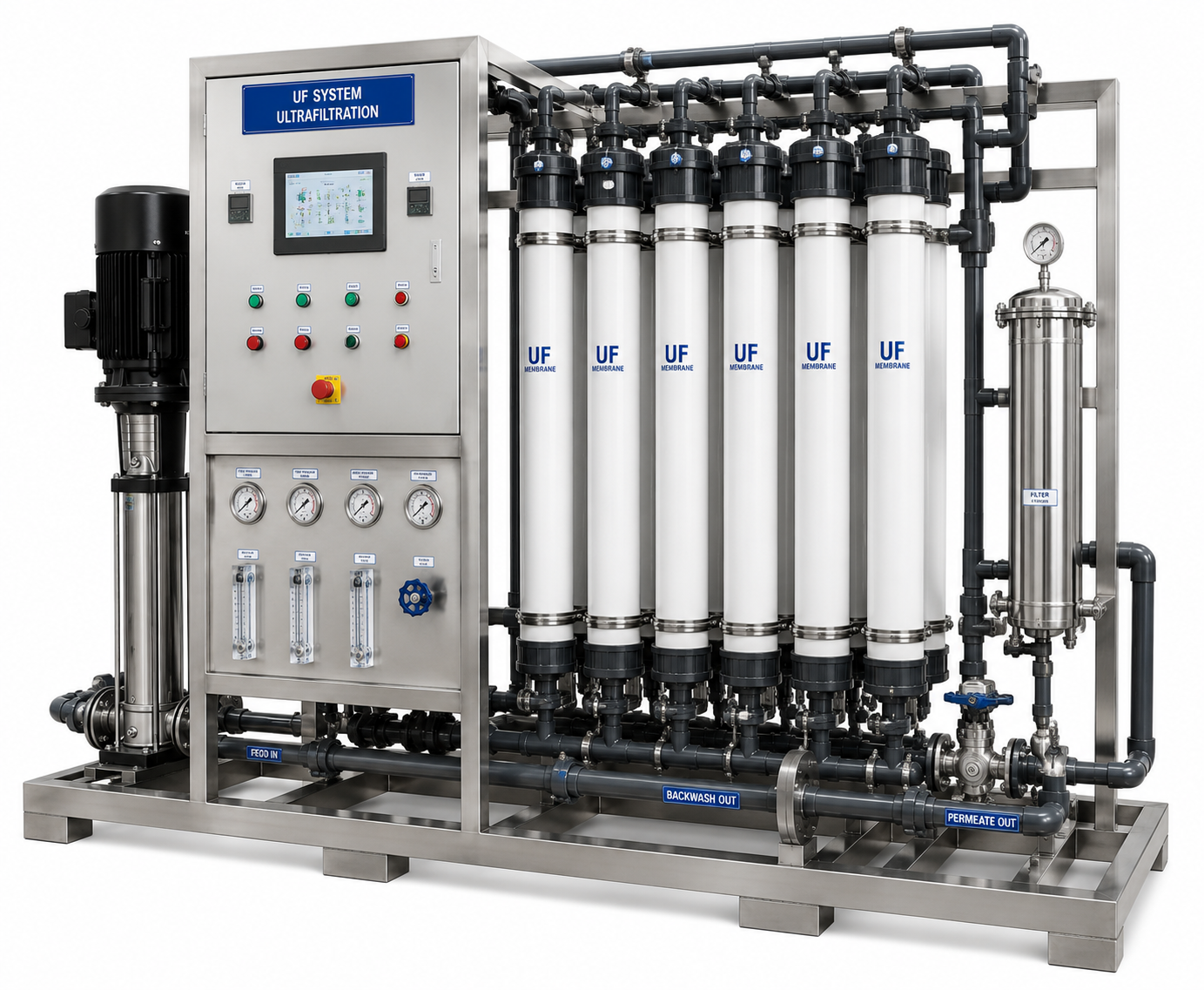
UF is a membrane filtration technology utilizing membranes with pore sizes of approximately 0.01 microns.
The process operates through physical separation, allowing water to pass through while retaining suspended solids, bacteria, viruses, and colloidal particles larger than the membrane pores.
Key Benefits
· Efficient removal of bacteria and suspended solids
· Significant turbidity reduction
· Retains dissolved minerals
· Low operating costs
· Protects downstream RO systems
Applications: RO pretreatment systems, industrial water recycling, and industrial water treatment facilities.
NF Technology (Nanofiltration)
Nanofiltration (NF) provides a filtration level higher than UF but lower than RO. It is commonly used when the removal of dissolved organic compounds, color, hardness, and a portion of dissolved salts is required.
NF membranes effectively remove multivalent ions such as calcium, magnesium, and heavy metals while allowing some beneficial minerals to remain in the water.
Key Benefits
· Reduces water hardness
· Removes color and dissolved organic compounds
· Reduces heavy metal concentrations
· Lower energy consumption compared to RO
· Suitable for high-quality water reuse systems
Applications: Food processing, textile dyeing, paper manufacturing, chemical industries, and various industrial production sectors.
RO Technology (Reverse Osmosis)
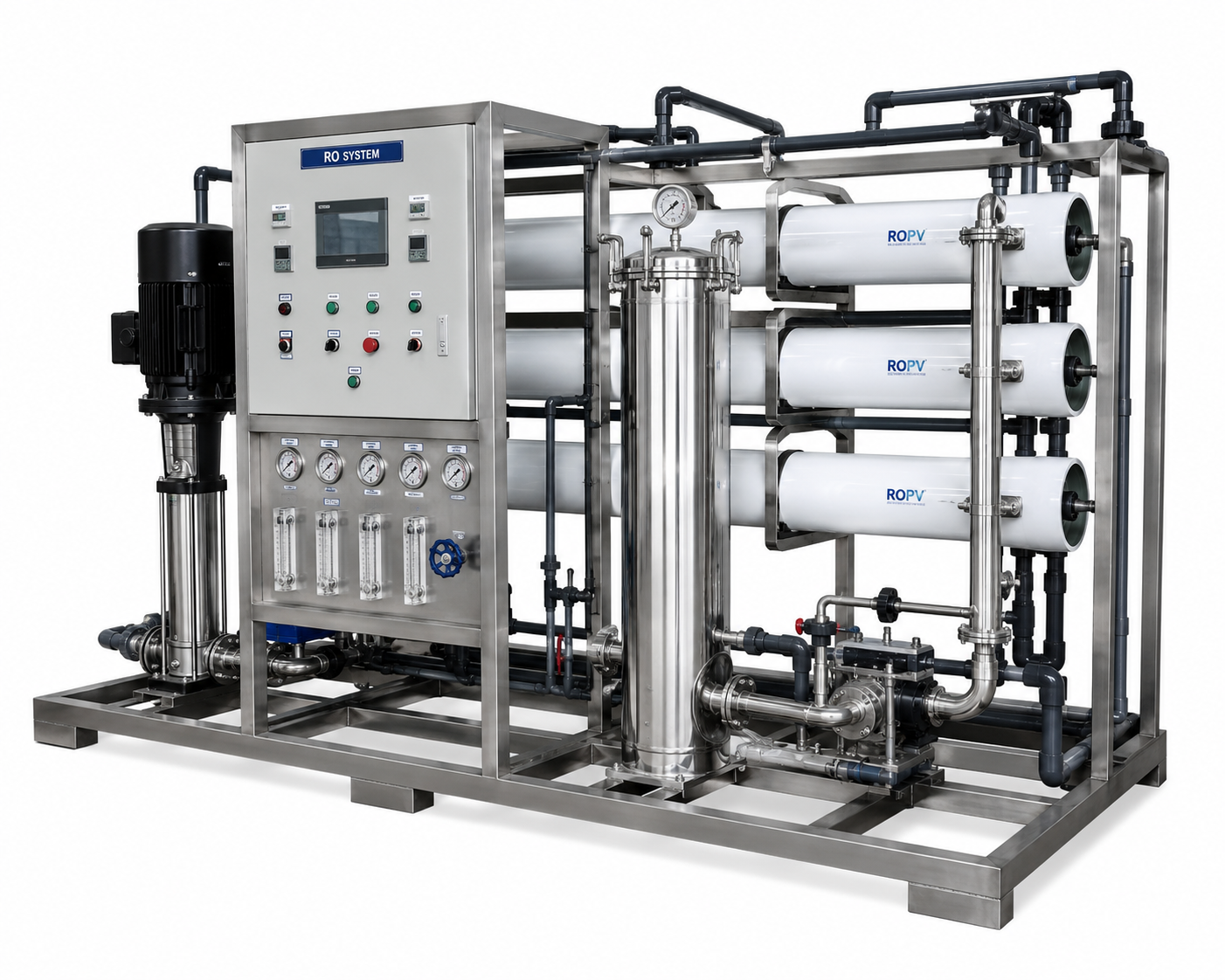
Reverse Osmosis (RO) is one of the most advanced water treatment technologies available today. It utilizes semi-permeable membranes with extremely small pore sizes of approximately 0.0001 microns.
Under high pressure, water is forced through the membrane while dissolved salts, heavy metals, bacteria, viruses, and organic contaminants are effectively rejected.
Key Benefits
· Removes 95–99% of Total Dissolved Solids (TDS)
· Highly effective for heavy metal and microorganism removal
· Produces high-purity water
· Ideal for advanced water reuse applications
Applications: Electronics manufacturing, pharmaceutical production, purified water systems, boiler feed water systems, and industries requiring ultra-pure water.
UV and Ozone Disinfection Technologies
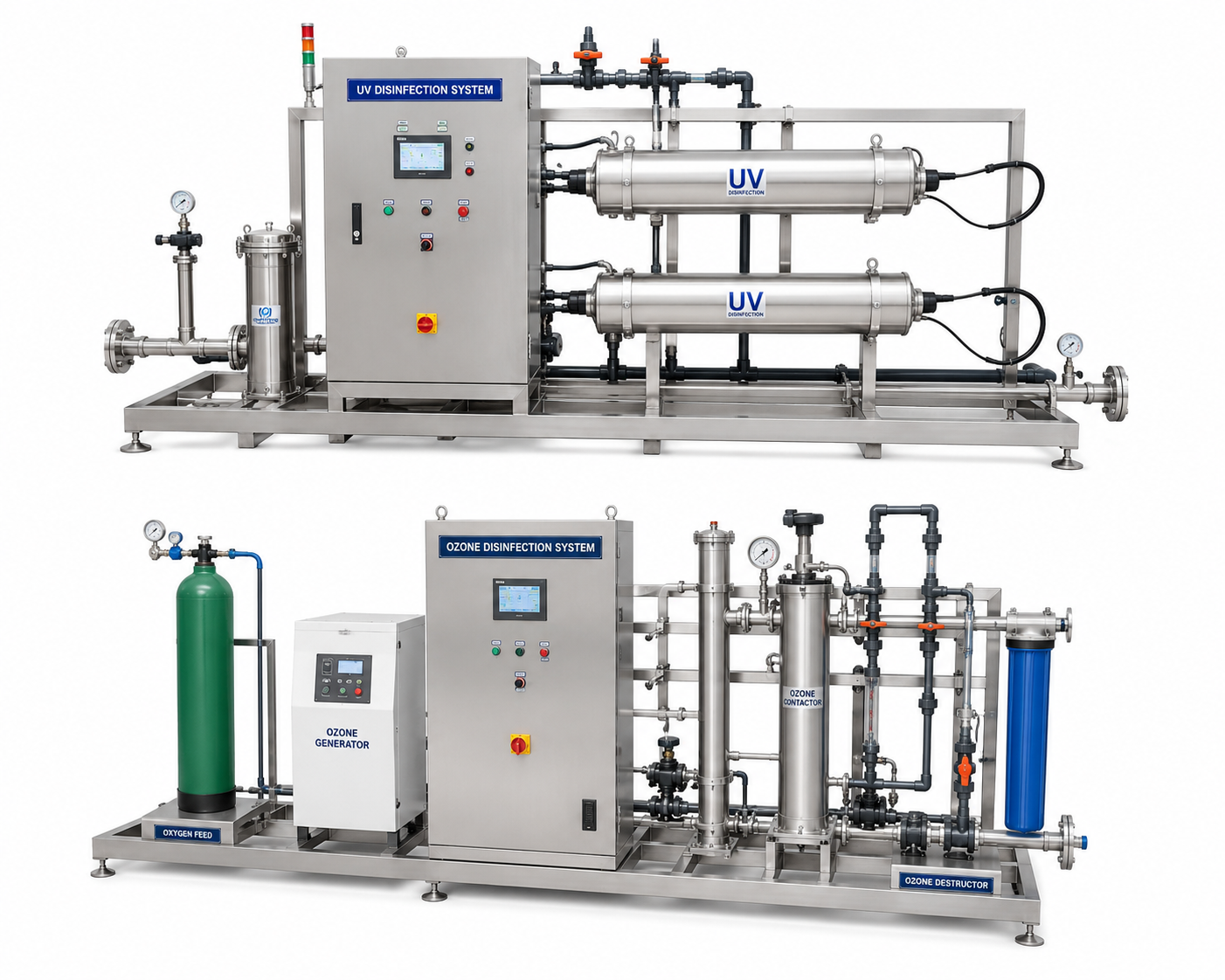
Following the primary treatment stages, wastewater is typically disinfected to ensure safety before reuse.
UV Disinfection
· Eliminates bacteria, viruses, and pathogens
· Chemical-free process
· Does not alter water composition
Ozone Disinfection
· Strong oxidation capability
· Effective color, odor, and pathogen removal
· Breaks down refractory organic compounds
The integration of UV or Ozone treatment significantly enhances water quality and ensures safe reuse across various industrial applications.
Integrated Treatment Solutions for Wastewater Reuse
To achieve optimal treatment performance, modern water reuse systems typically combine multiple technologies in a multi-stage treatment process.
Common configurations include:
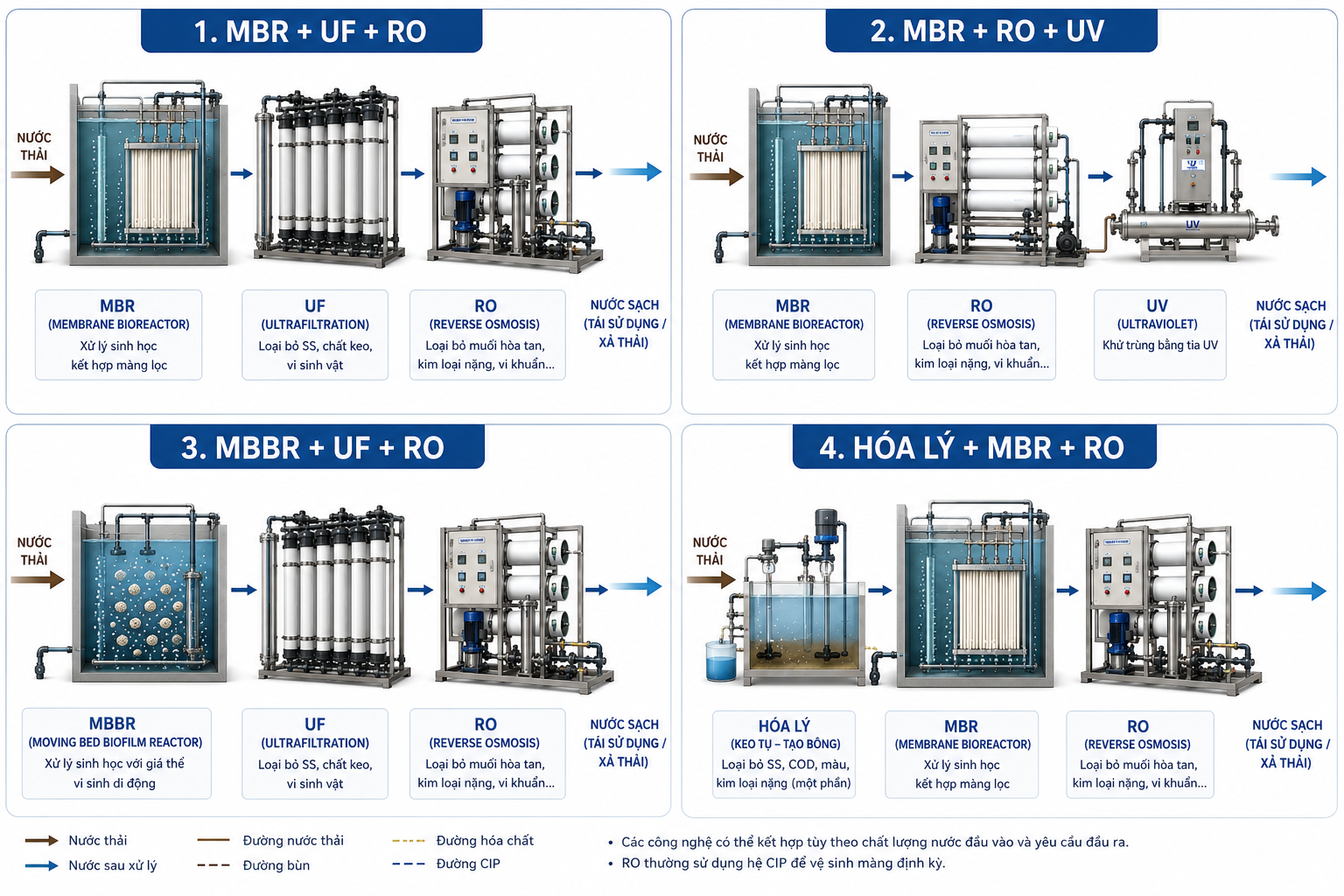
These integrated solutions maximize water recovery rates, improve effluent quality, and meet the reuse requirements of a wide range of industrial sectors.
Industrial Wastewater Reuse Solutions by Vina Eco Group
Vina Eco Group provides comprehensive industrial wastewater reuse solutions, covering site assessment, wastewater characterization, technology selection, engineering design, construction, commissioning, and operational support.
With extensive experience in water and wastewater treatment projects, Vina Eco Group develops customized solutions for industries such as food and beverage, textile dyeing, electronics, chemicals, industrial parks, and manufacturing facilities. Each system is designed based on wastewater characteristics, reuse objectives, and the required effluent quality standards.
Depending on project requirements, Vina Eco Group integrates advanced treatment technologies including MBR, UF, NF, RO, UV, and Ozone to maximize treatment efficiency and water recovery rates.
The treated water can be reused for cooling systems, boiler feed water, factory cleaning, landscape irrigation, and various industrial production processes, helping businesses reduce freshwater consumption, lower operating costs, and achieve sustainability goals.